




If you have ever felt that the ringing, buzzing, or hissing in your ears seems to crank up its volume as soon as the weather turns cold, you are absolutely not imagining things. It is a very common experience for people to report. That is why tinnitus getting worse is a topic that is searched more frequently in the winter than at any other time of year. Studies using Internet search data show a significant seasonal pattern for tinnitus-related searches, peaking right in the winter months.

This suggests that many people are struggling with increased symptoms during the colder time of year. Let us dive into the scientific reasons behind this phenomenon and share real, practical steps you can take to keep your symptoms calm until spring arrives.
The Science of Seasonal Tinnitus Fluctuations
It may seem strange that the weather could affect an internal sound, but your ears and auditory system are incredibly sensitive to your environment. Winter brings several climatic changes that can easily throw your internal balance off, making your tinnitus more noticeable or reactive. Understanding these root causes is the first step toward managing them effectively.
Cold Air and Blood Flow
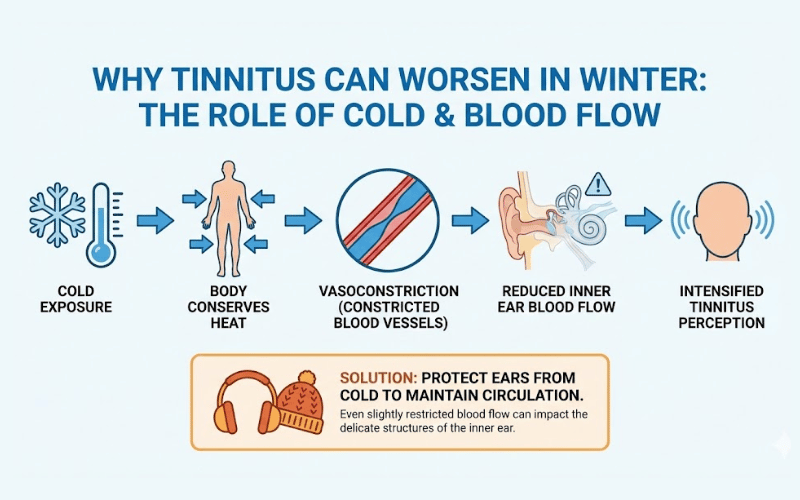
One key factor in why tinnitus gets worse in winter relates to how your body conserves heat. When you are exposed to cold air, your body naturally constricts blood vessels, a process called vasoconstriction, to help keep your core temperature stable. This includes the tiny blood vessels that supply the delicate structures of your inner ear. Reduced or restricted blood flow to the inner ear, even slightly, can intensify the perception of tinnitus for some individuals. Protecting your ears from the cold can help maintain good circulation.
Atmospheric Pressure Changes
Sudden shifts in barometric pressure, which often happen before a cold front moves in, can affect the pressure inside your middle and inner ear. The Eustachian tube is responsible for balancing the pressure between your middle ear and the outside environment. When the pressure changes rapidly, your ear can feel full or clogged, which can temporarily change how you perceive sound and may make your tinnitus seem louder and more bothersome. It is a lot like the pressure sensation you feel when flying, but caused by the weather.
The Effects of Cold and Dry Air on Tinnitus
The cold is not the only culprit. The air itself changes dramatically in winter, and these shifts have a direct impact on your ear health. This is a major part of the answer to why tinnitus gets worse in winter.
The Problem of Dry Air and Dehydration
Winter air is typically very dry, and when you combine that with running an indoor heater, the lack of humidity is intensified. This dry air affects the mucous membranes in your nose and throat, potentially leading to irritation and inflammation. For some, this dryness can also affect the tissues in the ear canal or lead to dehydration. Dehydration can cause blood vessels to narrow and restrict the proper flow of blood, which may exacerbate your tinnitus symptoms.
Congestion and Ear Fullness
Winter is also cold and flu season, which brings increased congestion and sinus pressure. This congestion can lead to Eustachian tube dysfunction, where the tube becomes blocked or inflamed. When the Eustachian tube is not properly venting and balancing pressure, you may experience a feeling of aural fullness or pressure in your ears. That “full” feeling can make the ringing or buzzing sound in your head much more noticeable, temporarily changing how your hearing system is functioning.

Earwax Hardening
Believe it or not, the cold and dry air can even affect your earwax. When your ears are exposed to cold temperatures, your earwax can harden, and this, combined with a potentially constricting ear canal as a protective response, can lead to more blockages. Excessive or hardened earwax buildup creates a physical barrier that can intensify the perception of tinnitus and may require professional cleaning to alleviate.
The Cozy Season Traps: Lifestyle Factors in Winter
Beyond the climate, our behavior and environment change significantly in the winter, and these habits can be major contributors to why tinnitus gets worse in winter.
Increased Indoor Noise Exposure
During the colder months, we naturally spend much more time indoors. This shift in environment often means increased exposure to constant, low-level background noise. Think about it: heaters humming, fans running, the TV playing louder in smaller rooms, and maybe more people talking in enclosed spaces. While this ambient sound is not loud enough to damage your hearing, it forces your ears and auditory system to work constantly, which can make your tinnitus more reactive and noticeable when things quiet down.
Stress, Anxiety, and Sunlight
Shorter days and less natural sunlight can affect your mood and energy levels. Lower exposure to sunlight can influence your body’s serotonin levels, leading to increased anxiety, irritability, or seasonal sadness. Tinnitus loves and feeds off stress and exhaustion. Elevated stress hormones, like cortisol, are strongly correlated with an increase in tinnitus perception and severity, meaning the holiday season stress or general winter blues can make your symptoms much more intrusive and bothersome.
Winter Indulgences
The cozy season often involves a few extra indulgences to help us unwind. That glass of wine in the evening or that extra cup of coffee to power through the dark afternoons are common. However, both alcohol and caffeine can act as vasoconstrictors and diuretics. This means they can contribute to the dehydration caused by the dry winter air, potentially increasing your tinnitus symptoms. These lifestyle factors are a major component of why tinnitus gets worse in winter.
How to Cope with Tinnitus from Cold Weather Months
The good news is that you have a lot of control over the factors that make your tinnitus worse. By making simple, mindful adjustments to your winter routine, you can effectively manage the ringing and buzzing.
Stay Warm and Protect Your Ears
Protecting your ears from cold air is an easy and effective step. When you go outside, wear a warm hat or earmuffs that cover your ears. This helps to maintain good circulation and shields your ears from the harsh cold and wind, which can help prevent the constriction of blood vessels and minimize the risk of a tinnitus flare-up.
Focus on Hydration and Humidity
Since dry air and dehydration are major factors, you must be proactive in addressing them.
Prioritize Hydration
Drink plenty of water throughout the day. Staying hydrated helps your overall health, supports blood circulation, and prevents the dryness that can affect your ears and sinuses. When your body is well-hydrated, the proper blood flow to your auditory system is maintained.
Use a Humidifier
Using a humidifier indoors, especially in your bedroom, is highly recommended. Aim for a humidity level between 30 and 50 percent. This helps to counteract the drying effects of indoor heating and keeps your respiratory system and ear passages moist, reducing irritation and congestion that contribute to the feeling of aural fullness.
Prioritize Sleep and Stress Management
Because tinnitus thrives on stress and exhaustion, protecting your rest is crucial.
Mindful Sleep Hygiene
Establish a consistent sleep schedule by going to bed and waking up at the same time, even on weekends. Avoid caffeine in the late afternoon and limit alcohol before bed, as both can fragment your sleep and make your tinnitus feel louder at night. Keep your bedroom cool, dark, and quiet, or use soft sound enrichment to prevent total silence. A cozy nighttime routine is a great way to wind down and prepare for rest.
Stress Reduction Techniques
Incorporate daily stress-relief activities like deep breathing, short guided meditations, or gentle yoga. If you find your mind focusing on your tinnitus during these moments, gently redirect your attention back to your breath or the background sounds in the room. This regular practice can help lower cortisol levels and decrease the reactivity of your tinnitus.
Training Your Brain to Ignore Tinnitus During Winter
While you manage the environmental triggers, the most powerful tool you have is your brain. Learning to tune out the internal sound is possible through consistent practice. This is the ultimate long-term solution to the question of why tinnitus gets worse in winter.
Sound Enrichment is Key
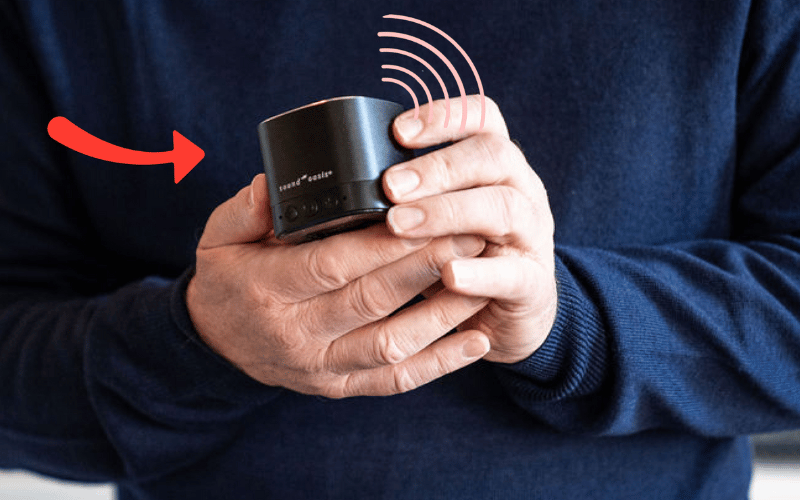
Never let your environment be completely silent. Total silence can make your tinnitus stand out, causing your brain to zero in on the sound. Use soft sound enrichment like a white noise machine, soft instrumental music, or gentle nature sounds. The goal is to provide a subtle, steady background sound that helps your brain tune out the ringing instead of focusing intensely on it. This is a foundational technique in effective management.
The Power of Consistent Routine
Consistency is everything. Your brain loves routine, especially when it comes to managing a distracting sound like tinnitus. By consistently practicing good sleep hygiene, stress management, and sound enrichment, you are building new neural pathways. Over time, your brain learns to filter out the meaningless sound, reducing the distress and bothersomeness of your tinnitus.
What Recent Data Reveals About Tinnitus in Winter
Recent studies confirm what many people with tinnitus already feel, which is that the sound can absolutely vary depending on the environment and season. Retrospective research evaluated data from patients seeking treatment for the first emergence of tinnitus symptoms and found that winter was the most common season for these initial admissions.
This suggests that the seasonal factors we have discussed are powerful enough to trigger or significantly worsen symptoms for a large number of people. Recognizing that your tinnitus is associated with seasonality can empower you to use these proactive coping strategies. We can better address why tinnitus gets worse in winter when we use this scientific data.
The Importance of Individualized Care
Tinnitus, the perception of sound without an external source, affects about 14% of the global population (higher in older adults) and can cause significant functional impairment. The lack of an agreed-upon objective or diagnostic biomarker means diagnosis relies solely on subjective symptom reports.
Furthermore, tinnitus is a highly individualized disorder, lacking a standardized measure of biological severity and showing a poor correlation between its biological basis and the patient’s resulting psychological distress.
When to Seek Professional Support
If your winter fluctuations are a regular and distressing problem, that is your cue to check in with a tinnitus specialist. Sometimes, something as simple as adjusting your existing sound therapy or considering a hearing aid can make a world of difference, not just during the winter months but all year round. Do not let the season control your quality of life. Understanding why tinnitus gets worse in winter is the first step toward getting the right support.
Take Control: Don’t Let Winter Turn Up Your Tinnitus
If the ringing, buzzing, or hissing in your ears seems to get louder when the temperature drops, you are not imagining it. Winter brings specific environmental and lifestyle changes, from cold air and dry heat to increased stress, that are proven to exacerbate tinnitus symptoms.
You don’t have to spend the winter months just coping. Managing the cold-weather spike is possible with a targeted, personalized strategy.
The expert audiologists at Treble Health specialize in understanding your unique triggers. We provide evidence-based, individualized care to help you counteract seasonal flares, master effective sound enrichment, and train your brain to filter out the noise.
We are ready to help you quiet the ringing and reclaim your peace.
Book a 20-minute telehealth consultation today to get expert guidance and explore treatment options.